
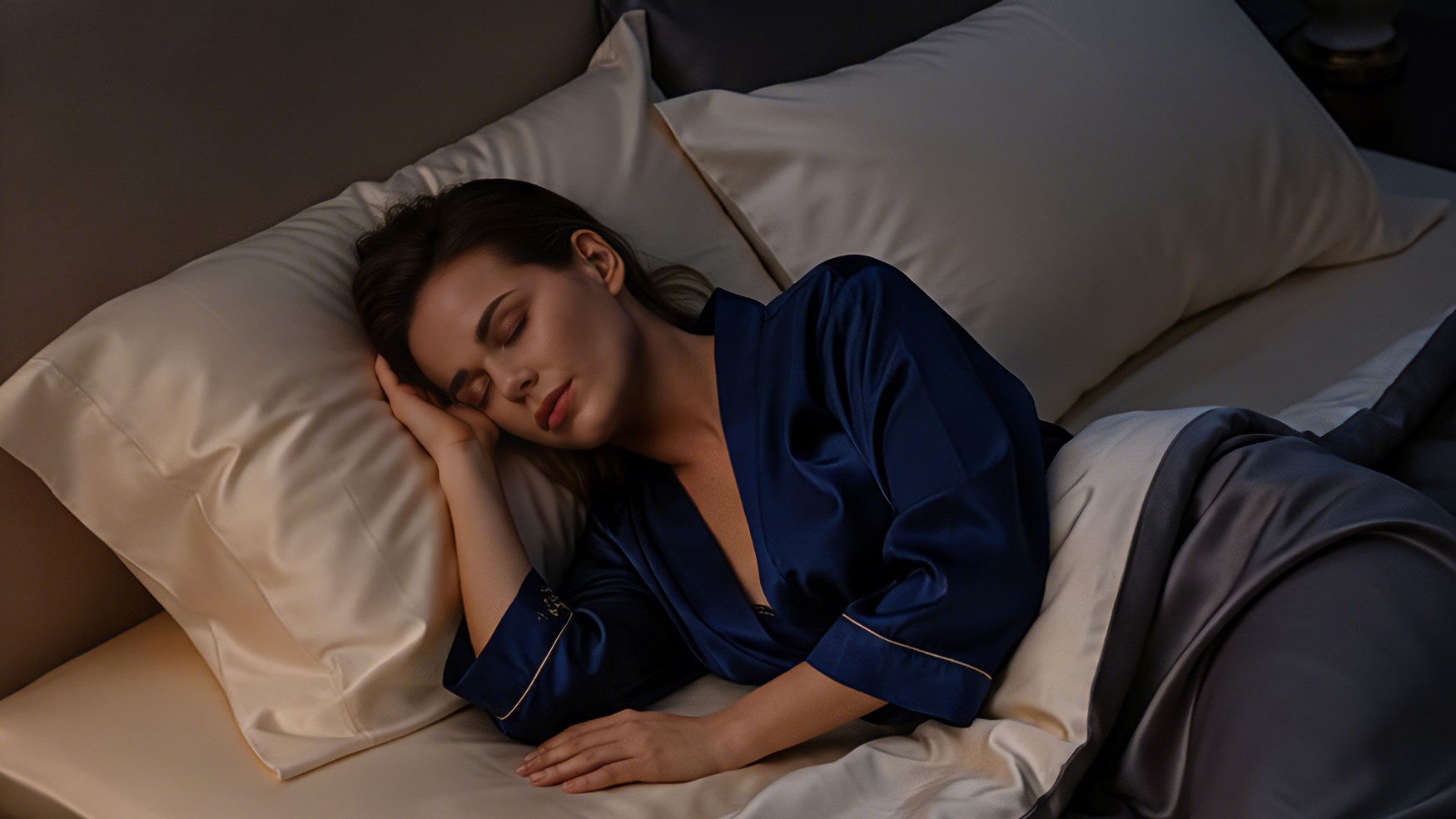
We spend almost a third of our lives sleeping. We invest in good mattresses, soft pillows, blackout curtains, even sleep mobile apps.
But there is one thing that touches our skin for eight hours every single night…And most of us rarely think about it — Our pajamas.
The fabric we sleep in might seem like a small detail.
But surprisingly, it can influence how our body feels throughout the night.
From temperature regulation,
to skin comfort,
to the way we wake up in the morning.
Today, let’s explore why something as simple as sleepwear might matter more than we realize, and How the pajamas we wear might affect our sleep
✻ This page may contain affiliate links. If you purchase through these links, we may earn a commission at no extra cost to you. This helps support the site and allows us to continue sharing helpful content and recommendations.
Your Body Is Busier Than You Think at Night
When we fall asleep, the body doesn’t simply “turn off.” In fact, the opposite is true. While we rest, many quiet processes begin working in the background.:
- The brain moves through different sleep cycles,
- Your body temperature slowly drops,
- and the skin begins repairing itself after the stress of the day.
Sleep is one of the body’s most important recovery periods, a time when it restores balance and prepares us for the next day.
During these hours, the environment around us matters more than we often realize. The temperature of the room, the level of light, and the comfort of the bed can all influence how deeply we sleep.
But there is another detail that many people overlook: the fabric that stays in contact with our skin throughout the entire night. For nearly eight hours, what we wear to bed becomes part of our sleep environment, quietly interacting with body temperature, moisture, and skin comfort.
The Quiet Drop in Body Temperature
One of the most important processes that happens while we sleep is temperature regulation. As the body prepares for sleep, our core temperature naturally drops slightly. This small decrease is not random, it is part of the body’s internal clock and helps signal to the brain that it’s time to rest. When this cooling process happens smoothly, it becomes easier to fall asleep and stay in deeper stages of sleep.
However, if the body overheats during the night, sleep can easily become lighter and more fragmented. Many people have experienced waking up in the middle of the night feeling too warm, shifting around in bed, or even pushing the blanket away without fully realizing it. These small disturbances often happen because the body is trying to release excess heat in order to restore its natural balance.
The fabrics we wear to bed can quietly influence this process, they can play a small but interesting role here.
Some materials trap heat.
Others allow more airflow.
Some absorb moisture quickly.
Others allow it to evaporate.
Over the course of a full night’s sleep, these subtle differences can affect how comfortable the body feels, especially during warmer nights or for people who tend to sleep hot.
What Happens to Your Skin While You Sleep
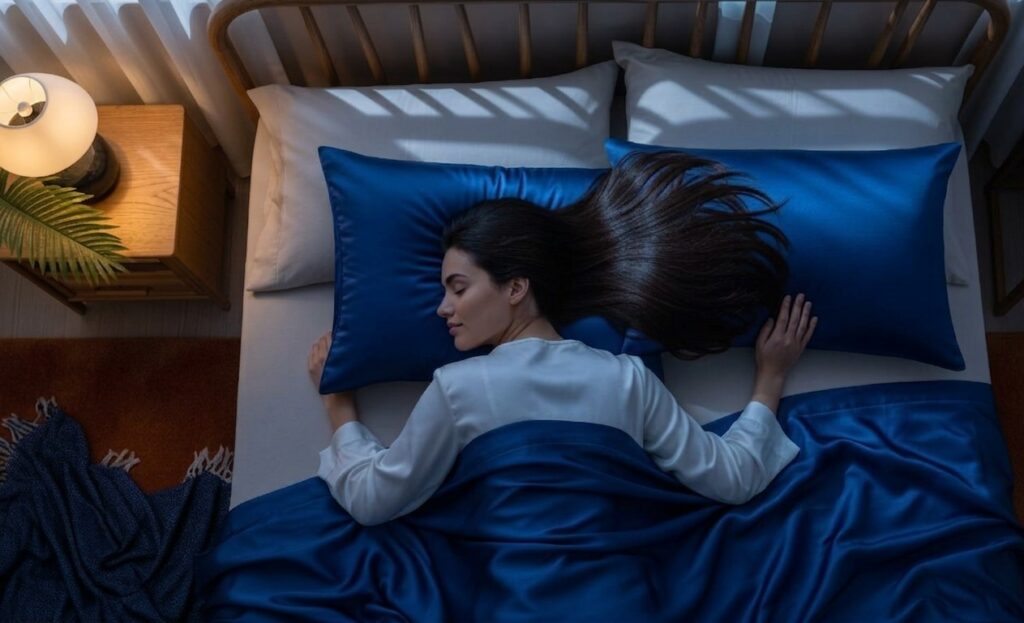
Nighttime is also when our skin quietly enters its repair mode. While the rest of the body slows down, the skin begins a process of renewal that happens mostly while we sleep. Blood flow to the skin increases, helping deliver nutrients that support cell regeneration.
At the same time, the skin works to rebalance its moisture levels and recover from everything it faced during the day—sun exposure, pollution, temperature changes, and simple daily stress.
This is one reason why skin often looks a little fresher or more relaxed after a good night’s sleep. Those overnight hours give the body time to restore itself in ways we don’t always notice.
While the surface touching your skin for hours can also affect how comfortable that process feels.
Rougher fabrics may create friction.
Some materials hold moisture against the skin.
Others feel lighter and smoother.
These small differences may not seem dramatic, but over hundreds of nights, they can shape the overall sleep experience.
Do Pajamas Affect Sleep? Let’s learn About Sleepwear Fabrics
Since the fabric we sleep in can affect so many aspects of our nights—temperature, moisture, and even how our skin feels—it’s worth taking a closer look at the common materials people wear to bed.
Cotton is one of the most popular choices. It’s natural, breathable, and familiar to most of us, making it feel safe and comfortable. But cotton has a downside: it absorbs moisture quite easily. On warmer nights, it can hold onto sweat instead of letting it evaporate, leaving the fabric feeling damp and slightly heavy against the skin.
Polyester, on the other hand, is widely used because it’s durable and affordable. It doesn’t absorb moisture like cotton, but that also means it can trap heat and limit airflow. Many people find themselves feeling warmer or even slightly clammy when sleeping in synthetic fabrics, especially in summer or during restless nights.
So, If cotton fabric soaked in sweat doesn’t dry easily, and polyester feels stifling because it isn’t breathable, is there a material that excels in every category? Yes, and that is real Mulberry silk, which performs exceptionally well across the board.
Silk is often hailed as the “gold standard” of fabrics. It’s a natural fiber with a structure entirely different from both cotton and polyester. Its smooth surface and fine threads allow it to glide over the skin with almost no friction, while its unique properties help regulate temperature and manage moisture efficiently. Many sleepers notice that silk feels cool in summer yet remains comfortable during warmer nights, creating a more balanced and restful sleep experience.

Sometimes the Small Details Matter Most
Of course, sleepwear alone won’t completely transform your sleep.
A comfortable bedroom, good routines, and healthy habits all play a role.
But sleep quality is often shaped by small details.
Things we rarely think about.
The texture of a pillowcase.
The temperature of the room.
The fabric touching our skin for hours every night.
Sometimes improving sleep isn’t about making big changes, or the next big purchase or the newest gadget. Sometimes, it’s about the quiet, small details—the ones we ignore simply because we’re used to them. Tonight, pay attention to what you’re wearing. It might just be the smallest change that leads to your best night’s rest yet.
Conclusion
Sleep isn’t shaped only by mattresses, pillows, or room temperature. The small details like the fabric that touches our skin, the textures we surround ourselves with, the little choices we make every night can quietly influence how rested we feel in the morning. Paying attention to these subtle factors doesn’t require big changes. Even small adjustments, like choosing the right pajamas, can make a noticeable difference. Over time, these tiny choices add up, helping us wake up feeling genuinely refreshed, comfortable, and ready for the day ahead.
Remember, great sleep is built from a series of small, thoughtful decisions. Tonight, consider the layer that touches your skin the longest. It might be the easiest upgrade to your sleep routine and also the most rewarding one.
Leave a Reply